


In today’s competitive retail and e-commerce market, packaging is more than a protective layer. It is a strategic tool that influences customer perception, logistics efficiency, and long-term brand growth. Custom inner boxes sit at the core of this system. They secure products inside outer packaging, improve structural integrity, and elevate the overall presentation.
For brands selling cosmetics, electronics, gift sets, or premium retail products, investing in well-designed custom inner boxes can reduce damage rates, enhance unboxing experiences, and strengthen brand identity. This guide explains how inner boxes function, what materials and structures are available, and how to choose the right solution for your business.
Table of Contents
What Are Custom Inner Boxes?
Custom inner boxes are tailored packaging components placed inside an outer carton or rigid box to hold, protect, and organize products. Unlike generic inserts, they are engineered according to product size, weight, fragility, and branding requirements.
Their core purposes include:
• Securing products during shipping
• Preventing internal movement
• Separating multiple components
• Improving retail presentation
• Supporting printed branding elements
They are widely used in cosmetic packaging, electronic packaging, luxury gift boxes, subscription packaging, and e-commerce shipping solutions.
Why Custom Inner Boxes Are Essential for Product Protection
One of the biggest challenges in packaging is minimizing damage during transportation. Products move through warehouses, shipping hubs, and delivery networks before reaching customers. Without internal structural support, items can shift, collide, or break.
Custom inner boxes solve this problem by:
• Creating a precise product fit
• Absorbing external impact
• Reinforcing weak structural points
• Distributing pressure evenly
For fragile products such as glass bottles, skincare containers, and electronic components, a properly engineered inner box can significantly reduce return rates and replacement costs.
Materials Used in Custom Inner Boxes
Material selection determines durability, print quality, sustainability, and overall cost. Below is a comparison of common materials used in inner box production.
| Material Type | Protection Level | Best Application | Printing Quality | Sustainability |
|---|---|---|---|---|
| Paperboard | Medium | Cosmetics, retail items | Excellent | Recyclable |
| Corrugated Cardboard | High | E-commerce, electronics | Good | Recyclable |
| Rigid Board | Very High | Luxury packaging | Premium finishes | Recyclable |
| Kraft Paperboard | Medium | Eco-friendly brands | Natural look | Highly sustainable |
Paperboard is ideal for lightweight products with strong visual requirements. Corrugated materials are suitable for shipping-heavy applications. Rigid board provides maximum strength and luxury appeal. Kraft options support environmentally conscious branding.

Structural Design Options for Inner Boxes
The structure of an inner box directly affects its performance and visual impact.
Foldable Inner Boxes
Foldable designs can be shipped flat and assembled when needed. They reduce storage space and transportation costs, making them suitable for high-volume production.
Rigid Inner Boxes
Rigid inner boxes provide excellent durability and a premium feel. They are commonly used in luxury packaging and high-end retail applications.
Compartment Inner Boxes
These designs divide space into multiple sections, keeping products organized and preventing contact between items. They are ideal for gift sets and subscription boxes.
Insert-Based Inner Boxes
Custom die-cut inserts ensure products remain firmly in place. This option maximizes interior space while offering precise stabilization.
Each structural choice should align with shipping conditions, product sensitivity, and branding goals.

Branding and Printing Opportunities
While outer packaging captures attention, inner packaging reinforces brand experience. Custom inner boxes can be fully printed and finished to match brand identity.
Available techniques include:
• Offset printing for high-resolution graphics
• Flexographic printing for large production runs
• Foil stamping for luxury accents
• Embossing and debossing for texture
• Spot UV coating for visual contrast
Branded inner boxes create consistency throughout the packaging journey, increasing perceived value and customer loyalty.
Enhancing the Unboxing Experience
Unboxing has become a powerful marketing moment, especially for direct-to-consumer brands. A thoughtfully designed custom inner box can transform a simple delivery into a memorable brand interaction.
Effective inner packaging can:
• Create a layered reveal effect
• Improve product organization
• Add visual and tactile appeal
• Encourage social media sharing
For subscription services and premium retail brands, investing in inner packaging design directly influences repeat purchases and customer engagement.
Sustainable Custom Inner Box Solutions
Sustainability is increasingly important for both consumers and businesses. Paper-based inner boxes provide an eco-friendly alternative to plastic inserts.
Sustainable strategies include:
• Using FSC-certified paper materials
• Designing recyclable mono-material structures
• Eliminating unnecessary packaging layers
• Replacing foam with paper-based inserts
Eco-conscious inner packaging not only reduces environmental impact but also strengthens brand credibility in competitive markets.
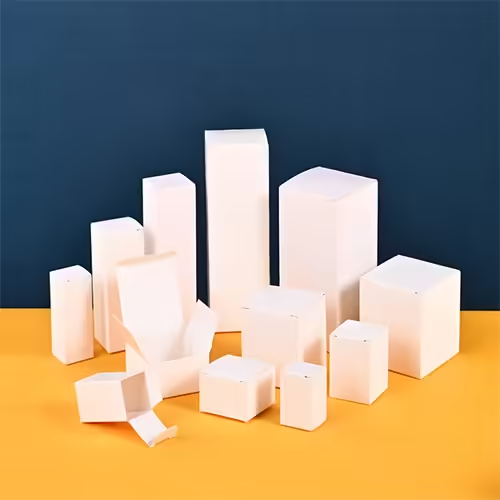
Industry Applications of Custom Inner Boxes
Different industries require tailored inner packaging solutions.
Cosmetics packaging demands lightweight yet visually appealing structures with high-quality printing.
Electronics packaging requires shock-resistant corrugated designs and secure inserts to prevent damage.
Luxury goods benefit from rigid inner boxes with premium finishes that reflect exclusivity.
Food and confectionery packaging often uses food-safe paperboard with compartment designs for organized presentation.
Understanding the specific needs of each industry ensures optimized protection and branding effectiveness.
How to Choose the Right Custom Inner Box
Selecting the right solution requires evaluating several key factors:
• Product dimensions and weight
• Fragility and handling sensitivity
• Shipping distance and method
• Brand positioning
• Budget considerations
• Sustainability objectives
Working with an experienced packaging manufacturer ensures structural testing, material optimization, and cost efficiency.
Cost and Production Considerations
Custom inner box pricing depends on material thickness, printing complexity, finishing options, and order quantity. Larger production volumes typically reduce per-unit costs.
Efficient structural design can also lower shipping expenses by minimizing excess space and reducing material waste. When strategically engineered, inner boxes improve both protection and profitability.

The Strategic Importance of Custom Inner Boxes
Custom inner boxes are more than internal supports. They are integral to product protection, brand storytelling, and operational performance.
A well-designed inner box reduces damage rates, enhances unboxing experiences, strengthens brand identity, and supports sustainability initiatives. For growing brands, optimized inner packaging creates measurable value across logistics, marketing, and customer retention.
FAQ
What are custom inner boxes used for?
Custom inner boxes protect, organize, and present products inside outer packaging.
Are custom inner boxes recyclable?
Most paper-based inner boxes are recyclable and can be produced using sustainable materials.
What material is best for custom inner boxes?
Paperboard works for lightweight products, while corrugated or rigid board is better for fragile or premium items.
Can custom inner boxes be printed with logos?
Yes, they can be fully customized with printed logos, colors, and special finishes.
Do custom inner boxes reduce product damage?
Yes, proper structural design significantly reduces movement and impact damage during shipping.
