

This guide helps brands plan gift packaging that feels considered without overcomplicating production or fulfillment. The focus keyword is gift box packaging, and the guidance is written for buyers who need practical decisions rather than broad packaging theory.
Good gift box packaging decisions depend on product measurements, material behavior, packing workflow, and customer expectations. A clear brief helps the supplier quote accurately, prepare useful samples, and avoid preventable revisions.
Table of Contents
Start with the gifting moment
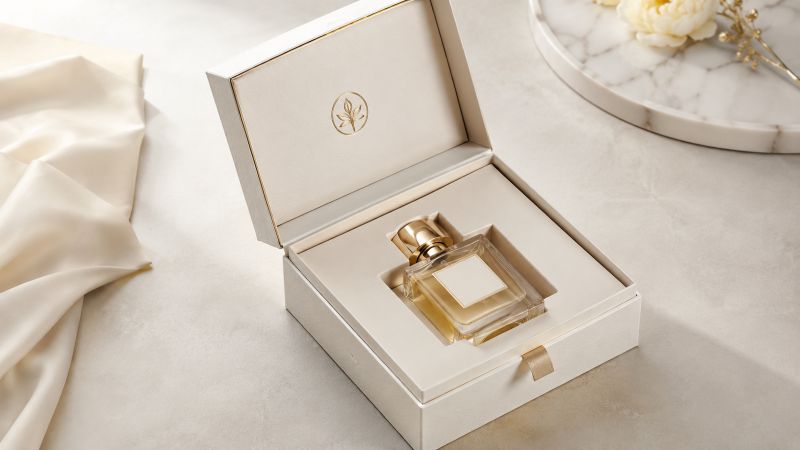
Gift packaging should support a slower and more deliberate opening experience. The structure, insert, and surface finish should work together rather than competing for attention. This point should be checked as part of the gift box packaging specification rather than treated as a late design detail.
Match structure to product value and fragility
A premium product may need a stronger box, but the choice should still be based on product weight, surface sensitivity, and shipping route. This point should be checked as part of the gift box packaging specification rather than treated as a late design detail.
Buyer checkpoint
Before approving gift box packaging, compare the sample with the product, packing route, and customer use case. Written notes are more reliable than verbal approval when the order is repeated later.
Control the reveal with inserts and layers
Tissue, sleeves, inserts, and cards can guide the opening sequence. Each layer should have a purpose and should not make packing needlessly slow. This point should be checked as part of the gift box packaging specification rather than treated as a late design detail.
| Planning area | Question to ask | Practical reason |
|---|---|---|
| Product fit | Does the packed product sit securely? | Reduces movement, pressure, and awkward presentation |
| Material | Does the board match the product and route? | Supports strength, print result, and handling |
| Workflow | Can staff pack it repeatedly? | Protects fulfillment speed and consistency |
| Customer experience | Does it open cleanly after handling? | Supports a professional brand impression |
Choose finishes with practical limits
Foil, embossing, lamination, and special textures can improve presentation, but they should be tested near folds, corners, and high-touch areas. This point should be checked as part of the gift box packaging specification rather than treated as a late design detail.
Use product references for structure
A paper gift box gives buyers a direct reference for premium presentation, while a long kraft paper box can guide projects with longer products or sets. This point should be checked as part of the gift box packaging specification rather than treated as a late design detail.
Buyer checkpoint
Before approving gift box packaging, compare the sample with the product, packing route, and customer use case. Written notes are more reliable than verbal approval when the order is repeated later.
Avoid unsupported luxury claims
Do not invent awards, certifications, or performance promises. The packaging can feel premium through structure, fit, material, and print quality without false claims. This point should be checked as part of the gift box packaging specification rather than treated as a late design detail.
- Review real product samples, not only drawings.
- Use two relevant product-page internal links naturally in the article body.
- Avoid competitor brands, specific prices, and unsupported claims.
- Keep the article in standard Gutenberg blocks with clear heading hierarchy.
Gift Box Packaging Selection Checklist
Use this checklist before confirming your final gift box design.
| Checkpoint | What to Confirm |
|---|---|
| Product size | The box is designed around the actual product dimensions |
| Product weight | Material thickness supports the packed product |
| Product fragility | Inserts, dividers, or protective layers are added if needed |
| Box structure | The opening style matches the product and brand positioning |
| Insert design | Product stays stable and looks organized |
| Printing | Logo, product name, and graphics are clear |
| Finish | Surface treatment supports the premium image |
| Opening experience | Customer can open the box smoothly |
| Retail display | Box stands well and keeps its shape |
| Shipping protection | Gift box is protected during transport |
| Packing workflow | Workers can assemble and pack efficiently |
| Repeat order record | Material, size, structure, and artwork are documented |
This checklist helps reduce unnecessary revisions and supports more consistent packaging quality.
Working with a Custom Gift Box Manufacturer
A custom gift box manufacturer should help you connect product protection, presentation, material selection, and production feasibility. The supplier should not recommend a box only based on appearance. They should understand the product, packing method, sales channel, and customer expectation.
Before requesting a quotation or sample, prepare:
Product size and weight
Product photos or physical samples
Number of items per box
Preferred box structure
Retail or e-commerce use
Printing and finishing requirements
Insert requirements
Shipping method
Brand style or artwork file
Expected order quantity
For brands that need custom paper gift boxes, printed gift packaging, kraft gift boxes, rigid boxes, or premium product boxes, clear product information helps the manufacturer recommend a more accurate structure and avoid repeated sample changes.
Final Thoughts
Gift box packaging should make the product feel more valuable, but it should also be strong, practical, and suitable for the real product journey. A good gift box is not only attractive. It protects the product, supports the brand image, improves the opening experience, and remains efficient for packing and delivery.
For premium product presentation, focus on structure first, then material, insert, printing, and finishing. A clean design with the right fit and strong construction often performs better than an overly complicated package.
Before mass production, always review the full packed sample with the actual product, insert, finish, and shipping method. This helps confirm that the box looks premium not only when empty, but also after packing, handling, display, and delivery.
FAQ
What is gift box packaging?
Gift box packaging is packaging designed to improve product presentation, protection, and customer experience. It is commonly used for cosmetics, food gifts, jewelry, candles, electronics, and premium retail products.
What material is best for premium gift boxes?
Premium gift boxes often use thick paperboard, rigid board, kraft paper, or fine corrugated board. The best material depends on product weight, brand style, finish requirements, and shipping needs.
Do gift boxes need inserts?
Gift boxes need inserts when the product is fragile, heavy, irregularly shaped, or sold as a set. Inserts help keep products stable, organized, and better presented.
How can gift box packaging look more premium?
Premium gift packaging can be improved through a strong structure, accurate product fit, clean printing, matte or textured finishes, foil stamping, embossing, and a well-designed opening experience.
Should gift box packaging be tested before production?
Yes. The gift box should be tested with the real product, insert, closure, printed finish, and shipping method before bulk production to confirm protection and presentation quality.
