

Table of Contents
Introduction
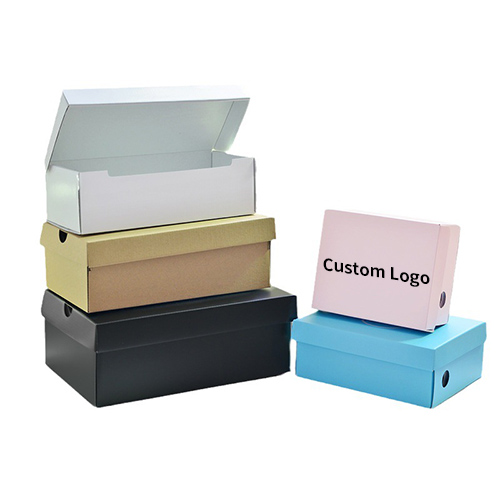
In today’s fast-moving retail and e-commerce environment, folding carton packaging has become one of the most practical and cost-effective packaging solutions. It combines space-saving design, easy assembly, and strong branding potential, making it ideal for a wide range of industries including retail, cosmetics, food, and consumer goods.
This guide explores how folding box packaging works, its advantages, materials, and how to choose the right solution for your business.
What is Folding Box Packaging?
Folding carton packaging refers to cartons made from paperboard that are shipped flat and assembled when needed. These boxes are lightweight, easy to store, and can be customized for different product types.
Unlike rigid boxes, folding cartons offer flexibility in production, transportation, and branding while maintaining good structural integrity.
Why Folding Box Packaging is Important
Folding carton packaging is widely used due to its efficiency and cost advantages. According to packaging industry data, folding cartons account for a significant share of retail packaging because of their low storage cost and high customization potential.
Key benefits include:
- Reduced storage and transportation space
- Lower packaging and logistics costs
- High-quality printing for branding
- Eco-friendly and recyclable materials
Types of Folding Box Packaging
Different folding carton structures serve different packaging needs:
- Straight tuck end boxes: Common for cosmetics and retail goods
- Reverse tuck end boxes: Cost-effective and easy to assemble
- Auto-lock bottom boxes: Strong base for heavier products
- Seal end boxes: Secure packaging for food and pharmaceuticals
- Display boxes: Designed for retail shelf presentation
Each structure is designed to balance strength, usability, and cost.
Materials Used in Folding Box Packaging
Material selection directly affects durability and print quality:
- Folding carton board: Smooth surface for printing
- Kraft paperboard: Eco-friendly and natural appearance
- Coated paperboard: High-quality finish for branding
- Recycled paperboard: Sustainable and cost-efficient
Choosing the right material ensures both product protection and visual appeal.
Folding Box Packaging Size Guide
Selecting the correct box size improves efficiency and reduces product damage.
Common Folding Box Packaging Sizes
| Product Type | Box Dimensions (L x W x H) | Material | Structure Type | Typical Use |
|---|---|---|---|---|
| Cosmetics | 6″ x 4″ x 2″ | Coated Board | Straight Tuck End | Beauty & Skincare |
| Electronics | 10″ x 7″ x 3″ | Folding Board | Auto-lock Bottom | Small Devices |
| Food Products | 8″ x 6″ x 3″ | Kraft Board | Seal End | Dry Food Packaging |
| Apparel Accessories | 12″ x 9″ x 4″ | Paperboard | Reverse Tuck End | Retail Packaging |
| Retail Display | Varies | Coated Board | Display Box | Shelf Presentation |
Benefits of Folding Box Packaging
Folding cartons offer several advantages for businesses:
- Space-saving flat shipping design
- Cost-effective production at scale
- Easy customization for branding
- Lightweight yet durable structure
These benefits make folding cartons ideal for both startups and large brands.
Customization Options
Folding carton packaging supports advanced customization techniques:
- Full-color printing and branding
- Matte or glossy finishing
- Foil stamping and embossing
- Window cut-outs for product visibility
- Custom inserts for product protection
These features enhance both marketing appeal and user experience.
Eco-Friendly Packaging Trends
Sustainability is a major trend in packaging design. Many companies now prefer:
- Recyclable folding carton materials
- Soy-based or water-based inks
- Minimalist packaging designs
Eco-friendly folding carton packaging reduces environmental impact while improving brand reputation.
Tips for Choosing the Right Folding Box Packaging


To select the right solution, consider:
- Product weight and fragility
- Branding and visual requirements
- Storage and shipping conditions
- Assembly speed and efficiency
- Sustainability goals
A well-designed packaging strategy improves both operational efficiency and customer satisfaction.
Conclusion
Folding carton packaging is a highly efficient and versatile solution for modern product packaging needs. Its space-saving structure, customization flexibility, and eco-friendly nature make it a preferred choice across multiple industries. By selecting the right material, structure, and design, businesses can reduce costs, improve branding, and enhance customer experience.
FAQ
What is folding box packaging used for?
It is used for packaging retail products, cosmetics, food, and consumer goods with a space-saving and cost-effective structure.
Is folding carton packaging eco-friendly?
Yes, most folding cartons are made from recyclable paperboard materials and support sustainable packaging practices.
What are the main types of folding carton packaging?
Common types include straight tuck end, reverse tuck end, auto-lock bottom, seal end, and display boxes.
Can folding boxes be customized?
Yes, they can be fully customized with printing, coatings, embossing, foil stamping, and die-cut windows.
Why choose folding carton packaging over rigid boxes?
Folding boxes are more cost-effective, lightweight, and space-saving while still offering strong branding capabilities.
Need Help Choosing the Right Folding Box Packaging Solution?
If you’re unsure which folding box packaging is best for your products, our experts are here to help. Contact us today for a personalized consultation and ensure your packaging is cost-effective, visually appealing, and perfectly suited to your brand. Don’t wait—optimize your packaging strategy now to improve efficiency and customer satisfaction!
