

Table of Contents
Introduction
Freshness and quality are critical for fruits and vegetables throughout the supply chain. From farms to distributors to consumers, improper packaging can lead to spoilage, bruising, and losses. Fruit and vegetable packaging boxes are specifically designed to protect produce, maintain freshness, and improve handling efficiency. Modern packaging solutions also provide branding opportunities for retailers and e-commerce sellers, helping them differentiate in a competitive market.
With the rise of online grocery delivery and global distribution networks, investing in high-quality packaging has become essential for businesses seeking to reduce losses, maintain product integrity, and satisfy customers.

What Are Fruit and Vegetable Packaging Boxes
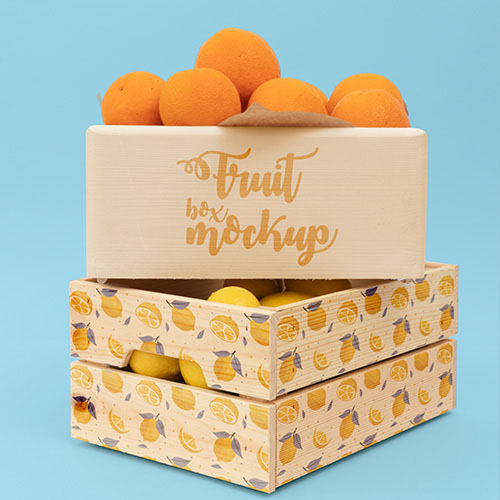
Fruit and vegetable packaging boxes are specially designed containers, often made from corrugated cardboard, kraft paper, or recycled materials, optimized for the transportation and storage of produce. These boxes offer ventilation, cushioning, and structural support to minimize damage while maintaining quality.
Key features of these packaging boxes include:
- Ventilation slots or holes to prevent moisture buildup and maintain freshness
- Stackable and space-efficient design for transportation and storage
- Durable materials to resist crushing and handling damage
- Customizable printing and branding for retail and e-commerce
By matching box dimensions and materials to specific produce, businesses can minimize waste and improve operational efficiency.
Benefits of Using Fruit and Vegetable Packaging Boxes
- Protects Products: Reduces bruising, spoilage, and damage during transit.
- Preserves Freshness: Ventilation and moisture control extend shelf life.
- Operational Efficiency: Standardized, stackable boxes optimize warehouse and shipping space.
- Sustainable Packaging: Recyclable and biodegradable options align with consumer expectations.
- Brand Visibility: Custom printing enhances recognition and strengthens customer loyalty.
Materials and Construction
| Material Type | Description | Benefits | Typical Applications |
|---|---|---|---|
| Corrugated Cardboard | Fluted medium with linerboards | Strong, lightweight, recyclable | Bulk shipments, wholesale |
| Kraft Paperboard | Natural brown paper | Biodegradable, eco-friendly | Local markets, retail packaging |
| Molded Pulp Inserts | Shaped recycled fibers | Cushions delicate produce | Berries, grapes, cherry tomatoes |
| Plastic Ventilated Crates | High-density plastic | Reusable, ventilated, durable | Long-distance shipping, tropical fruits |
Choosing the right material depends on produce type, transportation distance, storage conditions, and sustainability goals.
Design Considerations for Produce Packaging
Ventilation
Proper airflow is essential to prevent condensation, mold growth, and spoilage. Boxes often include perforated holes or slits to allow natural ventilation.
Cushioning and Inserts
Fragile produce like berries, cherries, or grapes benefit from molded pulp trays or cardboard partitions that reduce movement and protect against impact.
Size and Stackability
Boxes should match produce dimensions to minimize internal movement. Stackable designs save space in storage and transport without compromising product safety.
Branding
Even functional produce boxes can include logos, product information, or QR codes to enhance brand visibility and traceability.
Sustainability
Eco-friendly packaging options include recyclable cardboard, kraft paper, and biodegradable inserts. Choosing sustainable materials helps reduce environmental impact while appealing to eco-conscious consumers.
Applications Across the Supply Chain
| Supply Chain Stage | Packaging Type | Purpose |
|---|---|---|
| Farm to Distributor | Corrugated boxes with ventilation | Protect produce during transport |
| Wholesale | Stackable cardboard trays | Efficient storage and handling |
| Retail | Kraft paper boxes with branding | Display and customer engagement |
| E-commerce Delivery | Molded pulp inserts and cushioned boxes | Reduce damage, ensure fresh delivery |
These solutions demonstrate how packaging can support efficiency, safety, and brand presence at every stage.

Case Study: Reducing Damage and Waste
A regional fruit distributor switched from generic shipping boxes to custom corrugated boxes with ventilation holes and molded pulp inserts. After six months:
- Product damage decreased by 65%
- Spoilage during transport reduced by 50%
- Customer complaints dropped significantly
- Positive feedback on packaging quality increased repeat orders
This case highlights the tangible benefits of investing in tailored fruit and vegetable packaging solutions.
Choosing the Right Manufacturer
To ensure maximum efficiency and product safety, select a manufacturer that offers:
- Expertise in produce-specific packaging design
- Custom sizing, ventilation, and inserts
- Sustainable and recyclable materials
- High-quality printing and branding capabilities
- Consistent production standards and reliable delivery
Manufacturers like Zhenghua provide complete solutions from design to production, ensuring fresh, safe, and visually appealing packaging for fruits and vegetables.
Conclusion
Fruit and vegetable packaging boxes are vital for maintaining freshness, reducing losses, and enhancing customer satisfaction. Proper design, materials, and ventilation protect produce, while custom printing adds brand value. By partnering with experienced manufacturers, businesses can implement sustainable, durable, and effective packaging solutions that improve operational efficiency and build consumer trust.
FAQ
What are fruit and vegetable packaging boxes?
They are containers designed to protect, ventilate, and preserve fresh produce during shipping and storage.
How do these boxes reduce damage?
Ventilation, cushioning, and sturdy construction minimize bruising, crushing, and spoilage.
Can produce boxes be branded?
Yes, boxes can include logos, product information, and QR codes for marketing and traceability.
Are there sustainable options for produce packaging?
Yes, options include recyclable cardboard, kraft paper, and molded pulp inserts.
Which types of produce benefit most from specialized packaging boxes?
Delicate fruits like berries, grapes, cherries, and tropical fruits benefit the most.
