

You can expect the paper packaging box supply in 2026 to reflect major advancements in sustainability and digitalization. Suppliers will prioritize climate-neutral manufacturing and renewable sourcing. Smart packaging technologies, eco-friendly coatings, and premium customization will drive market growth. As sourcing channels evolve, you should focus on flexible procurement strategies to secure reliable availability. The following table highlights the most significant trends shaping your options:
| Trend | Description |
|---|---|
| Smart Packaging | Sensors and NFC tags improve tracking and consumer engagement. |
| Eco-Friendly Coatings | Biodegradable, recyclable coatings reduce plastic use and boost moisture resistance. |
| Premium Personalization | Custom features enhance brand uniqueness and appeal. |
| Sustainability | Climate-neutral manufacturing and renewable sourcing remain central. |
| Investment in Recycled Materials | Expanded capacity for sustainable paper grades supports market stability. |
Key Takeaways
- Expect significant growth in paper packaging supply driven by sustainability and digitalization.
- Focus on smart packaging technologies to enhance consumer engagement and tracking.
- Prioritize eco-friendly coatings to reduce plastic use and improve moisture resistance.
- Invest in premium personalization to create unique brand experiences and foster customer loyalty.
- Stay informed about environmental regulations to ensure compliance and avoid penalties.
- Diversify your supplier base to enhance supply chain resilience and mitigate risks.
- Leverage digital marketplaces for efficient sourcing and real-time inventory management.
- Adopt automation and AI technologies to streamline production and improve quality.
Table of Contents
2026 Market Overview
Global Supply Outlook
You will see strong growth in the global supply of paper packaging boxes in 2026. Asia-Pacific stands out as the fastest-growing region. Rising middle-class consumers and robust manufacturing drive this expansion. North America leads in recycling innovation. You can expect advanced waste management and high rates of recycled content in packaging. Europe continues to push sustainable packaging technologies. Governments in Latin America and Africa are improving waste-management frameworks, which supports new supply channels and market expansion.
Regional Differences
Regional supply differences shape your sourcing options. In Asia-Pacific, you benefit from high-volume production and competitive pricing. North America offers reliable supply chains and a focus on recycled materials. Europe provides advanced eco-friendly solutions, often with strict sustainability standards. Latin America and Africa present emerging opportunities, but you may face infrastructure and logistics challenges.
Major Suppliers
You have access to a wide range of suppliers in 2026. Large retailers like Walmart and logistics providers such as USPS and FedEx offer broad distribution networks. Specialized suppliers, including The Paper Mill Store, Packola, EZ Custom Boxes, Newstep, and Kelly Spicers, provide custom and niche solutions. International Paper and Graphic Packaging International continue to lead in innovation and scale.
Market Size & Growth
The paper packaging box market is set for robust growth. Analysts project a compound annual growth rate (CAGR) of over 4% from 2024 to 2026. Demand from e-commerce, food delivery, and retail sectors fuels this expansion. You will notice increased investment in sustainable materials and digital supply chain solutions. These trends support both market stability and long-term growth.
Key Industry Players
The following table highlights leading companies and their recent developments:
| Company | Key Developments |
|---|---|
| International Paper | Investing in sustainable packaging solutions and advanced technologies. |
| WestRock | Opened a high-capacity corrugated box plant in Pleasant Prairie, Wisconsin in 2024. |
| DS Smith | Launched 100% recyclable Fibre-Based TailorTemp packaging for pharmaceutical cold chains in 2025. |
| Georgia-Pacific | Expanded operations through strategic plant expansions and acquisitions. |
| Oji Holdings | Focused on sustainable, fiber-based packaging innovations. |
You can leverage these industry leaders for reliable supply and innovative solutions. Their investments in sustainability and technology will help you meet evolving market demands.
Paper Packaging Box Supply Drivers
Raw Material Trends
Pulp Sourcing
You will notice a major shift in the sources of raw materials for paper packaging box production in 2026. Manufacturers increasingly choose sustainable and recyclable materials, especially fiber-based alternatives that replace single-use plastics. This transition responds to the rising demand for base paper in food packaging. Foodservice growth and consumer preferences for packaging with less plastic drive this change.
- The base paper for food packaging market reached a value of USD 15,211 million in 2024.
- Analysts expect this market to grow at a compound annual growth rate of 6.2%, reaching USD 23,156 million by 2031.
- The average selling price stands at USD 1,249 per ton.
You benefit from this trend because it supports both environmental goals and supply stability. As more suppliers invest in fiber-based materials, you gain access to packaging solutions that meet regulatory and consumer expectations.
Sustainability Initiatives
Sustainability initiatives shape how you source paper packaging boxes. Companies focus on responsible forest management and recycled content to meet new standards. You see two main material types leading the way:
| Material Type | Benefits |
|---|---|
| FSC-certified paper | Sourced from responsibly managed forests, helps reduce Scope 3 emissions, and is favored under EPR programs. |
| Post-Consumer Recycled (PCR) | Reduces need for virgin materials, helps comply with MRC laws, and minimizes landfill waste. |
You can choose FSC-certified paper to support responsible forestry and lower emissions. Post-consumer recycled content helps you comply with new laws and reduces landfill impact. These initiatives give you a competitive edge and align your brand with sustainability values.
Environmental Regulations
Compliance & Circular Economy
Environmental regulations play a critical role in shaping the supply of paper packaging boxes. You must pay attention to new laws and standards that affect sourcing, design, and recycling. The following table highlights the most significant regulations in 2026:
| Regulation | Description |
|---|---|
| EU’s Packaging and Packaging Waste Regulation (PPWR) | Standardizes EPR, recyclability, recycled content, source reduction, and design guidance across EU member states, with implementation ramping up from August 2026. |
| Washington’s Recycling Reform Act | Requires producers to register with the state by December 15, 2026, as part of the EPR implementation. |
| EU Deforestation Regulation (EUDR) | Imposes due diligence requirements on pulp and paper products to ensure they are deforestation-free once implemented. |
You must comply with these regulations to maintain market access and avoid penalties. The circular economy model encourages you to design packaging for reuse and recycling. Companies that increase recycled content and reduce emissions gain a competitive advantage. However, you may face higher costs in the short term as you adapt to new standards.
Tip: Stay updated on regulatory changes to ensure your packaging meets all requirements and supports your sustainability goals.
Technology Impact
Automation & Digital Supply Chains
Technology transforms how you source and manage paper packaging box supply. Automation and digital supply chain solutions improve efficiency, quality, and transparency. You benefit from several advancements:
- Transition to 2D barcodes increases product information capacity and enhances customer interaction.
- Smart packaging technologies allow brands to tell their story and provide real-time product details.
- Artificial intelligence and automation create new opportunities for differentiation and added consumer value.
Manufacturers adopt AI for real-time quality optimization and predictive maintenance. Machine learning algorithms analyze production data to boost accuracy and efficiency. IoT integration enables real-time monitoring and data-driven insights, which optimize production processes.
- The market for carton box machines is projected to grow at a CAGR of over 6% through 2026.
- Innovations in automation and digital integration transform production lines to meet high demand and sustainability standards.
- Advanced features like robotic integration and AI-driven process optimization enhance efficiency and reduce costs.
You should leverage these technologies to streamline your supply chain and respond quickly to market changes. Automation helps you maintain consistent quality and manage costs, while digital tools provide visibility and control over sourcing and inventory.
Regulatory Shifts
Packaging Waste Laws
You face a rapidly changing landscape in packaging waste laws. Governments worldwide introduce stricter rules to reduce landfill waste and promote recycling. These laws require you to rethink how you design, source, and dispose of packaging. Extended Producer Responsibility (EPR) programs become standard in many regions. You must register as a producer and report packaging material usage. Authorities monitor compliance and enforce penalties for non-conformance.
You see new requirements for recycled content and recyclability. Some regions mandate minimum percentages of recycled fiber in each paper packaging box. Others set targets for collection and recycling rates. You need to track these metrics and adjust your procurement strategies. Packaging waste laws also encourage you to use eco-friendly inks, adhesives, and coatings. These changes help you align with consumer expectations and regulatory demands.
Note: Stay informed about local and international packaging waste laws. Early adaptation helps you avoid disruptions and maintain market access.
Trade Policies
Trade policies shape your access to raw materials and finished products. Tariffs, trade agreements, and geopolitical events influence supply chain stability. You must monitor changes in import and export regulations. Some countries impose tariffs on pulp or finished packaging to protect domestic industries. Others negotiate trade agreements that lower costs and expand sourcing options.
You experience shifts in production dynamics due to regulatory changes. Geopolitical tensions can disrupt supply routes and increase costs. You need to diversify your supplier base and build resilient logistics networks. Trade policies also affect capacity expansions and investment decisions. Companies respond by opening new facilities in regions with favorable trade environments.
The following table summarizes how regulatory shifts impact the paper packaging box industry:
| Evidence Description | Impact on Industry |
|---|---|
| Sustainability mandates and environmental regulations are driving demand for eco-friendly materials. | Increased focus on sustainable packaging solutions in production dynamics. |
| Geopolitical and regulatory factors influence production dynamics, including tariffs and trade agreements. | Changes in capacity expansions and export/import flows. |
| Market forecasts indicate a CAGR of approximately 4-6% driven by sustainability mandates. | Growth opportunities for the paper packaging box industry. |
You benefit from understanding these regulatory shifts. Proactive compliance and strategic sourcing help you manage risks and seize growth opportunities. You position your business for long-term success by staying ahead of packaging waste laws and trade policy changes.
Design & Demand Trends
Consumer Preferences
Minimalism & Functionality
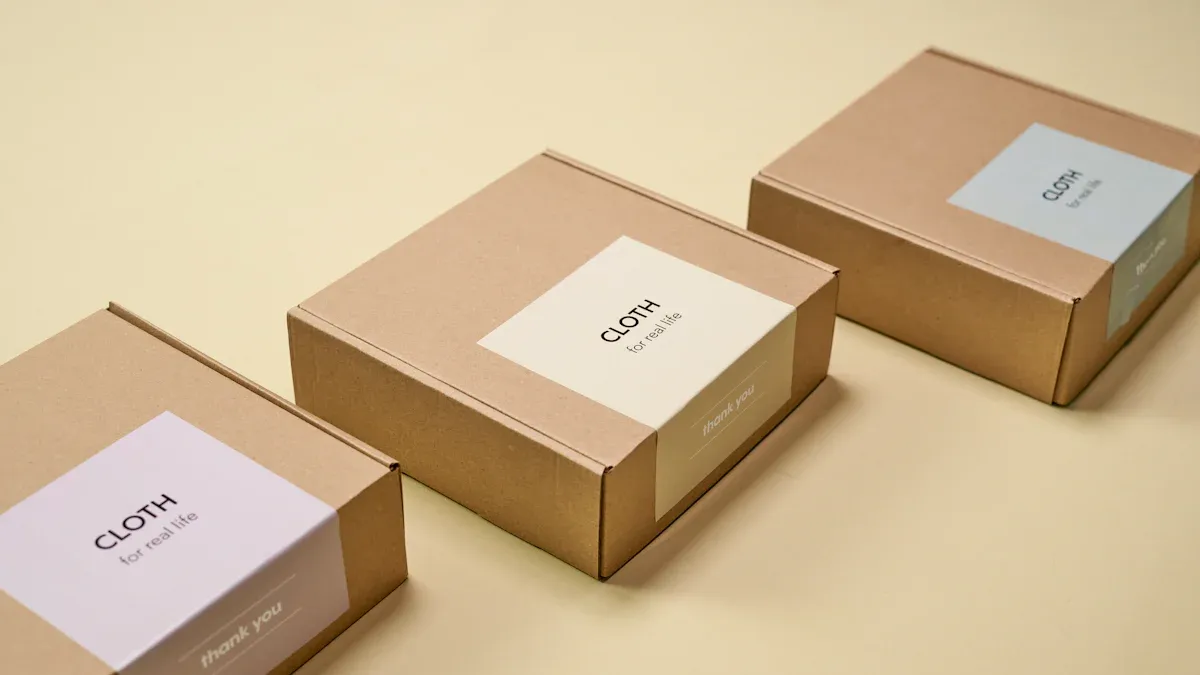
You see a clear shift toward minimalism in packaging design. Brands choose clean lines, simple graphics, and uncluttered layouts. This approach helps you communicate product value quickly and reduces unnecessary waste. Functional features, such as easy-open tabs and stackable shapes, improve user experience. You benefit from packaging that protects products and streamlines logistics.
Customization
Customization stands out as a major trend in 2026. You expect packaging that reflects your brand identity and meets specific needs. Suppliers offer digital printing and modular designs, allowing you to personalize colors, logos, and messaging. Custom packaging solutions help you create memorable unboxing experiences and foster customer loyalty.
Eco-Friendly Packaging
Biodegradable Materials
Sustainable materials dominate the market. You choose biodegradable papers and coatings to reduce landfill impact. Compostable packaging options appeal to eco-conscious consumers and support your sustainability goals. Regulatory changes and consumer demand drive innovation in material science.
The demand for eco-friendly packaging is expected to increase significantly by 2026, driven by regulatory changes, consumer preferences, and innovations in sustainable materials. Companies that focus on recycled, recyclable, or reusable materials will not only reduce environmental impact but also secure a competitive advantage in a marketplace where eco-conscious practices are increasingly expected.
Carbon Footprint Reduction
You prioritize packaging solutions that minimize carbon emissions. Manufacturers invest in energy-efficient production and logistics. You select suppliers who use renewable energy and optimize transportation routes. These efforts help you meet environmental targets and appeal to climate-aware customers.
Industry Demand Shifts
E-commerce Packaging
E-commerce continues to reshape packaging demand. You require boxes that withstand shipping and protect products during transit. Lightweight, durable designs reduce shipping costs and environmental impact. The following table highlights key metrics in e-commerce packaging growth:
| Metric | Value |
|---|---|
| E-commerce fulfillment growth | 6.6% YoY in November 2025 |
| Industrial Index softness | Weakening |
| E-Commerce Distribution Index | Strengthening |
| Consumer spending shift | Towards lower-cost online goods |
You adapt your packaging strategies to meet the needs of online shoppers and optimize fulfillment efficiency.
Food & Beverage Innovations
The food and beverage sector drives new packaging solutions. You see innovations such as grease-resistant paper, compostable containers, and multi-layer barrier papers. These features improve product protection and extend shelf life. The table below summarizes recent advancements:
| Innovation Type | Description |
|---|---|
| Grease-resistant paper | Enhances functionality for food packaging. |
| Compostable food containers | Supports sustainability and reduces plastic use. |
| Multi-layer barrier paper | Improves product protection and shelf life. |
You benefit from packaging that meets safety standards and aligns with consumer expectations for sustainability.
Sourcing Strategies for Paper Packaging Box
Supplier Selection
Evaluating Reliability
You need to assess supplier reliability before making any commitments. Reliable suppliers help you avoid delays and maintain product quality. Consider these factors when selecting a partner for your paper packaging box needs:
| Factor | Description |
|---|---|
| Cost Considerations | Evaluate material costs, transportation fees, and total cost of ownership. |
| Product Differentiation | Look for suppliers who offer custom designs and sustainable messaging to help your brand stand out. |
| Sustainability | Choose suppliers who prioritize eco-friendly solutions and responsible sourcing. |
You should request references, review supplier certifications, and analyze their track record for on-time delivery. Consistent communication and transparency also indicate a trustworthy supplier.
Digital Marketplaces
Digital marketplaces simplify your sourcing process. You can compare prices, minimum order quantities, and customization options across multiple vendors. Platforms like PackageCarton provide access to a wide range of suppliers and streamline procurement. You benefit from real-time inventory updates and automated order tracking. These features help you respond quickly to market changes and customer demands.
Cost Management
Contracts & Price Tools
Effective cost management starts with clear contracts and smart pricing tools. You should negotiate terms that protect you from price fluctuations and supply disruptions. Consider these strategies:
- Monitor geopolitical shifts and trade policy changes that may affect costs.
- Explore nearshoring to bring production closer to your operations.
- Diversify global suppliers to strengthen your supply chain.
Use pricing analytics and competitor benchmarking to refine your models. The table below highlights key cost management strategies:
| Strategy | Description |
|---|---|
| Pricing Transparency and Competitive Benchmarking | Use analytics to compare prices and optimize your purchasing decisions. |
| Supply Chain Optimization | Identify bottlenecks and implement solutions to reduce costs. |
| Invest in Sustainable Technologies | Adopt eco-friendly materials and smart solutions to meet regulatory standards. |
| Optimize Pricing Through Data-Driven Models | Use pricing intelligence tools for dynamic strategies that boost profitability. |
Duty deferral, customs bonded warehousing, and frontloading orders can help you manage tariffs and import costs.
Supply Chain Resilience
Diversification
Diversifying your supplier base reduces risk. You should source from multiple regions and vendors to avoid disruptions caused by geopolitical events or natural disasters. Early mapping of supply chain risks helps you identify vulnerabilities and develop contingency plans.
Inventory Practices
Reassess your inventory models to enhance regional distribution. Invest in scenario planning to adapt to policy changes and shifts in sourcing. Develop alternative routing strategies to ensure continuity if tariffs or border constraints arise. Regularly review your inventory levels and adjust them based on demand forecasts.
Tip: Use digital tools to monitor inventory and automate reordering. This approach helps you maintain optimal stock levels and avoid shortages.
Case Studies
You can learn a lot from real-world sourcing strategies. The following case studies show how businesses and consumers succeed by adapting their paper packaging box procurement.
1. Leveraging Digital Marketplaces for Flexibility
A mid-sized e-commerce retailer needed to scale packaging quickly during a seasonal sales spike. You might face the same challenge. The company used PackageCarton to compare suppliers, check inventory in real time, and place bulk orders with short lead times. By using the platform’s automated tracking and flexible customization options, you can secure reliable supply and adjust order quantities as demand shifts.
Tip: Digital marketplaces help you avoid stockouts and reduce manual sourcing work.
2. Building Resilience with Supplier Diversification
A food delivery startup wanted to reduce risk from supply chain disruptions. You can follow their approach by sourcing boxes from both a national logistics provider and a specialized packaging manufacturer. The company set up contracts with each supplier, ensuring backup options if one faced delays. This dual-sourcing model kept operations running smoothly, even during regional transportation strikes.
- Actionable Step: Map your supply chain and identify at least two reliable suppliers for each packaging need.
3. Customization for Brand Differentiation
A boutique cosmetics brand needed unique, eco-friendly packaging to stand out. You can achieve this by working with a supplier that offers digital printing and sustainable materials. The brand used an online configurator to design boxes with custom colors, logos, and inserts. This approach increased customer satisfaction and reinforced the brand’s green values.
| Sourcing Goal | Strategy Used | Result |
|---|---|---|
| Fast scaling | Digital marketplace | Flexible, reliable supply |
| Risk reduction | Supplier diversification | Fewer disruptions |
| Brand differentiation | Customization with eco-materials | Higher customer loyalty |
4. Cost Management Through Smart Contracts
A subscription box service faced rising material costs. You can manage this by negotiating fixed-price contracts and using price monitoring tools. The company set up alerts for price changes and adjusted order timing to take advantage of lower rates. This strategy stabilized costs and protected profit margins.
Note: Regularly review your contracts and use analytics to spot savings opportunities.
These case studies show that you can improve your packaging sourcing by combining digital tools, supplier diversification, customization, and smart cost management. Explore resources like PackageCarton to streamline your process and stay ahead in 2026.
Challenges & Opportunities
Supply Chain Risks
Disruptions & Price Fluctuations
You face several risks in the paper packaging box supply chain. Geopolitical tensions can disrupt shipping routes and delay deliveries. Raw material costs, especially pulp, fluctuate due to global demand and environmental regulations. Weather events and natural disasters may impact production facilities and transportation. You must monitor these risks and prepare contingency plans to maintain a steady supply.
- Political instability can lead to sudden changes in trade policies.
- Price spikes in pulp or energy increase your costs.
- Transportation bottlenecks slow down order fulfillment.
Tip: Build relationships with multiple suppliers and use digital tools to track market changes. This approach helps you respond quickly to disruptions.
Market Opportunities
New Markets
You see new opportunities emerging in 2026. Sustainability drives demand for eco-friendly packaging, especially in the catering sector. Customization allows you to create unique experiences for your customers. Regulatory compliance opens doors for packaging that supports recycling and composting.
- Sustainability focus attracts environmentally conscious buyers.
- Custom designs and QR codes boost consumer engagement.
- Circular economy initiatives align your products with new legislation.
Packaging Innovation
You benefit from innovations in packaging solutions. Companies introduce smart packaging that enhances consumer experience and brand storytelling. Industry leaders invest in operational efficiency and advanced technologies. New recycling initiatives and mergers create larger entities focused on sustainable solutions.
- Smart packaging offers interactive features for customers.
- Advanced technologies improve production speed and quality.
- Recycling programs support your sustainability goals.
Strategic Recommendations
You need clear strategies to navigate the challenges and seize opportunities in 2026. The following table summarizes key recommendations:
| Takeaway | Description |
|---|---|
| The Great Plastic Reckoning | Consumers realize most recyclable plastic is not recycled, creating a trust crisis. Find authentic solutions. |
| The Greenwash Hangover | Eco claims face skepticism as brands fall short. Prioritize transparency in your sustainability messaging. |
| Beyond the Bin | Reduce plastic reliance and promote circularity. Focus on honest packaging solutions. |
You should communicate your sustainability efforts clearly. Invest in authentic eco-friendly practices and avoid overstating claims. Promote packaging that supports recycling and composting. These steps help you build trust and stand out in the market.
You can expect the paper packaging box supply in 2026 to be shaped by sustainability, digital innovation, and evolving sourcing strategies. To stay competitive, you should:
- Embrace smart packaging features for enhanced consumer engagement.
- Strengthen supply chain resilience through diversified sourcing.
- Invest in automation and sustainable solutions to meet regulatory standards.
- Leverage trade agreements and regional hubs for market access.
Adapting your procurement approach will help you secure reliable supply and drive business growth.
FAQ
What should you prioritize when sourcing paper packaging boxes in 2026?
You should prioritize suppliers with strong sustainability credentials and digital supply chain capabilities. Evaluate their certifications and track record. For more sourcing tips, visit PackageCarton’s resource center.
How can you ensure your packaging meets new environmental regulations?
You need to stay updated on local and international packaging laws. Choose FSC-certified or recycled materials. Regularly review compliance guidelines on trusted sites like the EPA’s sustainable packaging page.
What are the benefits of using digital marketplaces for packaging procurement?
Digital marketplaces let you compare suppliers, check real-time inventory, and customize orders easily. You gain flexibility and speed. Explore PackageCarton’s platform for streamlined procurement.
How do you reduce costs when ordering paper packaging boxes?
Negotiate fixed-price contracts and monitor market trends. Use data-driven pricing tools to optimize your purchasing. Consider nearshoring to cut transportation costs. Learn more about cost management in our sourcing strategies section.
What packaging trends should you watch for in 2026?
Watch for smart packaging, eco-friendly coatings, and premium customization. These trends help you meet consumer expectations and regulatory demands. For more on trends, see our Design & Demand Trends section.
How can you improve supply chain resilience for packaging?
Diversify your supplier base and use digital tools for inventory management. Develop contingency plans for disruptions. For actionable steps, review our Supply Chain Resilience tips.
Where can you find reliable suppliers for custom packaging solutions?
You can find reliable suppliers on specialized platforms like PackageCarton. Look for vendors with strong reviews, certifications, and customization options.
What steps help you align packaging with sustainability goals?
Select biodegradable or recycled materials. Work with suppliers who use renewable energy and transparent sourcing. Communicate your efforts clearly to customers. For more guidance, visit our Eco-Friendly Packaging section.
